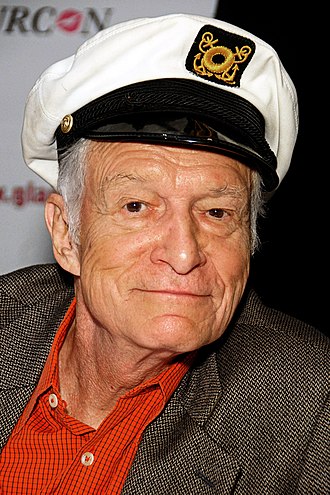
David Byrne
David Byrne is a Scottish-American musician and artist, best known as the founding member and lead vocalist of the pioneering band Talking Heads. His career has expanded far beyond music into filmmaking, photography, and installation art. He is recognized as a profound influence on the art-rock and world music movements of the late 20th and early 21st centuries.
WikipediaChart Overview
Designed to protect and sustain through embodied wisdom. The body moves to act while the mind absorbs the bigger picture — a natural steward of what matters.
As a Guardian, his body-mind orientation was practical and thorough. His artistic process was never purely chaotic; even his most surreal work was built through careful research, meticulous rehearsal, and a step-by-step assembly, seeking security in mastering a form before deconstructing it.
About
The Architect of the Unsaid
David Byrne moved through the world as a translator of the inexplicable. His performances often placed a deadpan, earnest figure against surreal, chaotic backdrops — a man calmly explaining the bizarre (Gate 23 — Translating Knowing). This was his conscious gift: to take the strange, intuitive flashes from his mind and give them a precise, often minimalist, structure that audiences could grasp (Channel 43-23 — Structuring). He didn't invent chaos; he framed it.
How the Sound Built Itself
The music of Talking Heads didn’t erupt from jamming, but from a process of meticulous assembly. Byrne would arrive with skeletal ideas — a rhythm, a lyrical fragment — that the band would then flesh out. This was the work of a mind under constant pressure to conceptualize and reconceptualize (Gate 24 — Mental Reviewing), cycling an idea until its final, polished form emerged. His drive wasn't to endlessly generate, but to correctly finish the thought (Defined Head and Ajna).
The Provocateur in Plain Clothes
His stage presence was a study in controlled provocation. Byrne would deliver anxious, emotionally raw lyrics with a detached, almost clinical precision, a juxtaposition that unsettled and captivated. This tension stirred deep feelings in his audience, cracking open a space for new emotional and artistic possibilities (Channel 55-39 — Emoting). He tested the limits of cool, intellectual post-punk by exposing its nervous, human heart.
A Life in Three Acts
His career arc maps perfectly to the 6th Line’s phases. His youth was pure experimentation — forming bands in high school, diving into the SoHo art scene, and mounting performances that didn’t always land. After the initial success of Talking Heads, he entered an observant withdrawal phase, stepping back from the band to explore world music and theatrical projects alone. In his later years, he emerged as the "living example" — the elder statesman of artistic curiosity, whose very existence invites others to embrace eclectic, cross-disciplinary creativity.
Energy Centers
His fixed way of processing information manifested as a singular, unwavering artistic vision. He was known for being certain and conceptual, building entire albums and tours around a single, tightly-wound idea that his mind had firmly grasped.
He operated under a consistent pressure to question and inspire, leading to a prolific output of music, art, and writing. This was not anxiety, but the reliable engine of his creativity, constantly pushing him to figure out 'how to be' in the world.
He channeled the pressure of deadlines and cultural urgency into productive fuel, navigating the intense pace of 80s stardom and his own ambitious multi-project career without burning out on the treadmill itself.
His emotional landscape was one of clear, wave-like cycles, evident in the thematic shifts between Talking Heads' anxious early work, their ecstatic middle period, and his later, more contemplative solo projects. He made his biggest creative decisions only after waiting for this emotional weather to settle.
He expressed himself through a consistent, recognizable vocal style and artistic voice, whether singing, directing, or writing. This center gave him the reliable capacity to manifest his conceptual ideas into a public, tangible form.
He absorbed and reflected the immense willpower and drive of the music industry, often speaking of feeling he had to constantly prove his worth through reinvention and prolific output, while publicly downplaying his own ambition as mere happenstance.
His identity was famously fluid, shape-shifting from awkward post-punk frontman to sophisticated world-music ambassador to bicycle-riding conceptual artist. He helped define the 'cool' of multiple scenes by absorbing and perfectly reflecting their essence.
He could match the intense, sustained work rhythm of a touring rock band when with Talking Heads, but this was borrowed energy; his natural rhythm involved deep, focused creative periods followed by necessary withdrawal and recovery into solo, less physically demanding projects.
This openness allowed him to intuitively tap into the collective anxiety and existential dread of his era, giving voice to the 'fear of the 80s,' but it also meant he could absorb and hold onto artistic relationships or concepts long after their creative utility had expired.
Incarnation Cross
The Left Angle Cross of Dedication played out as a lifelong devotion to teaching through artistic repetition. He dedicated himself to explaining the same core ideas—about perception, society, and rhythm—across albums, films, and installations, patiently waiting for the culture to catch up to his insights.
Defined Channels
3 channels
| Channel | Gates |
|---|---|
| Awareness | 61-24 |
| Structuring | 43-23 |
| Emoting | 55-39 |
• Channel of Awareness (61-24) — His lyrical and conceptual work relentlessly explored inner truth and mystery, cycling through themes of paranoia, transcendence, and the mundane until they crystallized into song. • Channel of Structuring (43-23) — He built Talking Heads' intricate, polyrhythmic sound by translating breakthrough insights into precise musical and lyrical architectures, giving form to abstract ideas. • Channel of Emoting (55-39) — His performances and lyrics deliberately provoked emotional and intellectual discomfort, pushing audiences out of complacency and into a more visceral, feeling state.
Profile
The 6/2 profile gave him the aura of a Natural, whose talents seemed effortless, and a Living Example, who evolved into an elder statesman of curiosity. His public persona shifted from the experimental weirdo to the wise, slightly removed observer whose very existence—riding a bike, exploring a subject—became a model for how to live an artful, examined life.