
 A
ABrad Pitt
Brad Pitt is an American actor and film producer who rose to fame after a brief but iconic role in *Thelma & Louise*. He is the founder of Plan B Entertainment, a production company behind multiple award-winning films, and his highly publicized personal life has long been a fixture of global media.
WikipediaChart Overview
Designed to experience life at the deepest level. Both body and mind are tuned to receive — a natural channel for wisdom that transcends ordinary perception.
As a Mystic with a Receptive Body and Mind, his process was internal and observational. He absorbed the chaos of fame and creatively transformed it, whether into a character performance or a design philosophy, revealing insights through a contemplative, often withdrawn, presence.
About
The Stubborn Hitchhiker
He arrived in Los Angeles with no clear plan, driving strippers in a limo and wearing a chicken suit to hand out cigarette samples. His survival depended on sudden, gut-level yes-or-no decisions about which odd job to take, which audition to attend (Splenic Authority). That instinct pointed him toward a small role as a cowboy hitchhiker in *Thelma & Louise*, a part that lasted minutes but launched an era. He didn’t push his way in; the opportunity appeared, and his body knew to say yes.
The Networked Ideal
His power flowed through his connections. Early friendships with rising directors like David Fincher and Robert Redford opened doors, and his production company, Plan B Entertainment, became a conduit for films like *12 Years a Slave* and *Moonlight*. He operated as a hub, recognizing talent in others and guiding projects to life (Gate 11 — Ideas, network quality). His value wasn’t in sustained action but in spotting potential and being the invited catalyst.
The Meaningful Struggle
His career was not a smooth ascent. He chose roles defined by internal or external conflict, from the mentally fractured patient in *12 Monkeys* to the aging stuntman in *Once Upon a Time in Hollywood*. He was drawn to characters wrestling with purpose, a reflection of his own channel of defined life force (Channel 28-38 — The Struggle). This wiring gave him a stubborn endurance for projects he believed in, fighting for them long after others would have quit.
The Reflective Image
The world saw a definitive movie star, but he described fame as "a bitch." With an entirely Open Throat Center, he absorbed the world’s need to define him, becoming a screen for public fantasy. He was labeled America’s heartthrob, a label he could reflect but never own. His forays into architecture and design revealed a deeper desire to create something tangible, to express a self that wasn’t just a reflection of others’ projections.
Energy Centers
He possessed a consistent, internal relationship with pressure, which allowed him to navigate the intense deadlines and stresses of blockbuster filmmaking and a frenetic public life without being destabilized by it. This defined center gave him the capacity to channel the adrenaline of fame into long-term projects.
His reliable survival instinct guided his early career leaps, like moving to LA without a degree or his instinctive yes to the role in *Thelma & Louise*. This center provided the in-the-moment intuitive hits that directed his path toward safety and opportunity.
He absorbed and reflected the world's certainty about who he was, leading to a public persona that seemed to shift from rebel to statesman. This openness allowed him to understand and portray diverse characters without being fixed to a single intellectual concept of himself.
He often took on commitments to prove his worth beyond acting, such as founding a major production company and ambitious architectural projects, trying to match a willpower he did not inherently possess. His value became tied to these tangible accomplishments in the public eye.
His sense of identity and direction was profoundly influenced by his relationships and environment, from being 'Brad and Jennifer' to 'Brangelina.' This openness made him a perfect mirror for collective fantasy, though it could create a feeling of searching for a fixed self.
He was inundated with the inspirations and mental pressures of the scripts, directors, and global attention surrounding him. This left him wrestling with big questions about purpose and legacy that were both personal and projected onto him.
He absorbed the relentless work energy of Hollywood, pushing to match the output of generators, which contributed to periods of burnout and a need to withdraw. His sustainable success came from guiding, not from non-stop doing.
He amplified the emotional weather of every room, whether a film set or the global media storm around his personal life, making him an emotional barometer. This sensitivity fueled powerful performances but also meant he felt the need to keep the peace amidst chaos.
His voice and expression became a vehicle for others' needs, making him a megaphone for cultural conversations about beauty, masculinity, and celebrity. He learned that his impact came from choosing his moments to speak, as with his measured statements about his production work.
Incarnation Cross
His Right Angle Cross of Eden played out as a public quest to articulate and manifest an idealized vision of harmony—through film projects seeking justice, humanitarian efforts, and designing peaceful homes—often amidst highly publicized personal turmoil that made the pursuit of peace itself the story.
Defined Channels
1 channel
| Channel | Gates |
|---|---|
| Struggle | 28-38 |
• Channel of Struggle (28-38) — His career is marked by a choice of challenging, often psychologically complex roles, and a public persistence through personal and professional controversies.
Profile
The 4/6 Networker/Living Example is evident in his reliance on a tight-knit circle for professional success and his entire life becoming a three-act public narrative: experimental young star, observed and withdrawn figure during mid-life controversies, and his later emergence as a seasoned example of creative reinvention.
More Projectors


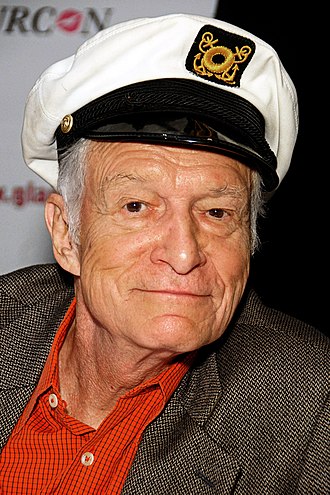


Image from Wikipedia