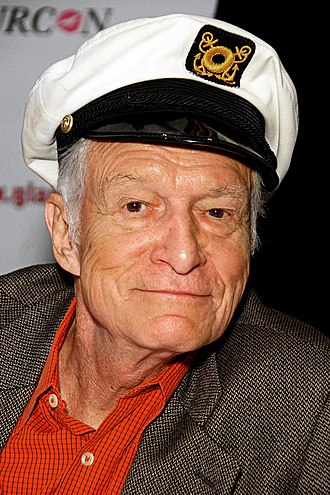
Woody Allen
Woody Allen is an American comedian, writer, actor, director, playwright, and musician known for films such as Annie Hall, Sleeper, and Love and Death. He built a career from teenage joke writing, club performance, and a distinctive neurotic on-screen persona. His personal life became widely public through relationships with Diane Keaton, Mia Farrow, and Soon-Yi Previn.
WikipediaChart Overview
Designed to see what others miss. The body receives sensory data while the mind actively processes patterns — a natural source of insight and foresight.
As an Oracle, his orientation was less about brute doing and more about sensing what was needed in a room, relationship, or script. His right digestion and left motivation showed in a receptive body that thrived on stimulation, paired with an active mind that kept searching for necessary insight. The therapy, club nights, and film shoots all became places where he absorbed the field and answered with wit.
About
The Joke Factory
At sixteen, he cracked classmates with one-liners and then sold thirty of them a day. That obsessive detail work carried Gate 9’s focused detail and Gate 16’s mastery through practice.
The Club and the Couch
He stood on stage with a mournful face, confessing fears into a microphone while audiences laughed at his discomfort. The Solar Plexus made the emotional wave visible, and Gate 39’s emotional provocation sharpened the confrontation.
He also went daily to therapy, a long review of memory and meaning (Channel 64-47). The Head-Ajna pressure gave him a mind that kept returning to the past until a joke, scene, or insight emerged.
Separate Windows
He and Mia Farrow lived in separate apartments facing each other across Central Park for eleven years. The arrangement reflected Channel 40-37’s community agreements: provide, belong, negotiate, and still keep a private shore.
Energy Centers
His Ajna gave him a steady mental processor, visible in the disciplined habit of writing dozens of one-liners a day as a teenager. The Head-Ajna abstraction pressure pushed him to rework memory, therapy, and New York life into comic insight.
His Ego supplied the will to keep contracts, direct films, and protect his circle. It also showed in long commitments to collaborators and family arrangements.
His Head kept the questions coming: death, anxiety, love, God, and the absurdity of modern life. That pressure found form through clarinet nights, scripts, and relentless self-review.
His Root gave him a relationship with deadlines and nervous stimulation, useful during film shoots and club sets. It also made urgency part of his public persona.
His Solar Plexus moved him through waves of affection, fear, and melancholy, the same waves that made his stage delivery mournfully serious. It shaped his long therapy and his emotional provocation in relationships.
His Spleen gave him a survival sense about what could last, visible in his fear of failure and careful investments in projects. It also showed in his refusal to smoke or drink and his devotion to antiques, museums, and routine.
With an open G, he absorbed directions from partners, producers, and New York's artistic circles, often defining himself through the people and places around him. His changing marriages, collaborations, and public controversies reflected that porous sense of identity.
An open Sacral left him without a fixed work-output engine, making his career depend on bursts of writing, rehearsal, and filming rather than endless physical grind. His separate-apartment arrangement and club performances show a life organized around selective engagement.
An open Throat made his voice responsive to the room, turning stage, screen, and interviews into arenas where he tried to be heard without forcing a permanent identity. His painful courtesy and avoidance of publicity reveal the strain of speaking into an open expression center.
Incarnation Cross
His Right Angle Cross of Planning showed in the way he organized life around detailed comic work and tribal agreements. Gate 9 focused on tiny observations, Gate 16 turned repetition into craft, and the 40/37 Community channel framed relationships as negotiated bonds. The result was a career built from gags, scripts, and domestic arrangements that all required planning.
Defined Channels
4 channels
| Channel | Gates |
|---|---|
| Abstraction | 64-47 |
| Community | 40-37 |
| Transformation | 32-54 |
| Emoting | 55-39 |
• Channel of Abstraction (64-47) — He repeatedly mined his own memories, therapy, and New York cultural life into films, including Annie Hall, which won four Oscars. • Channel of Community (40-37) — He and Mia Farrow arranged a long-term partnership around separate apartments facing Central Park, creating an unconventional domestic agreement. • Channel of Transformation (32-54) — He turned teenage joke-selling and club work into a decades-long career as a writer-director. • Channel of Emoting (55-39) — His relationship with Soon-Yi Previn and the custody battle with Mia Farrow provoked intense public emotional reaction.
Profile
His 4/6 Networker/Living Example profile played out as a man whose public persona grew through networks of writers, actors, and lovers. The conscious 4 made his friendships and collaborations central, while the 6 line turned his life into phases of experimentation, withdrawal, and later example. By the time custody battles and Venice marriage made headlines, people watched him as a symbol rather than just a comedian.