
 C
CTim Finn
Tim Finn is a foundational figure in New Zealand music, first as a co-founder of the art-rock group Split Enz. His career later expanded into solo work and significant collaborations, most notably with his brother Neil Finn in Crowded House and as the Finn Brothers. His songwriting is celebrated for its melodic sophistication and emotional depth.
WikipediaChart Overview
Designed to protect and sustain through embodied wisdom. The body moves to act while the mind absorbs the bigger picture — a natural steward of what matters.
As a Guardian, his body-mind orientation was that of an active body and a receptive mind. This showed up as a physical presence on stage that was deliberate and engaging, while his creative process relied on allowing melodies and lyrical ideas to come to him from the environment, which he then shaped with his active, logical focus.
About
The Watcher Who Walked In
Tim Finn didn't enter a room; he arrived, his presence a quiet calibration of the atmosphere (Gate 57 — Gentle Knowing). In the early, chaotic days of Split Enz, his role was often that of the observer, watching the frantic theatricality from a step back before offering a stabilizing melodic line (Gate 33 — The Witness). This wasn't detachment, but a necessary retreat to process the experience before sharing what he saw. His creative process mirrored this rhythm: intense periods of writing and performance followed by complete withdrawal, a movement between extremes (Sun in Gate 15 — Extremes) that became the very pulse of his career.
The Provocateur's Melody
His songwriting possessed an emotional provocation. Tracks like "I Hope I Never" or "Fraction Too Much Friction" didn't just describe feelings; they stirred them, testing the listener's own emotional truth (Channel of Emoting 55-39). This ability to catalyze a mood was an unconscious art, a provocation that often led to creative breakthroughs for both him and his collaborators. He could name a complex feeling with precise, lyrical clarity (Mercury in Gate 62 — Precise Communication), giving form to the amorphous. His voice carried a consistent, recognizable texture—not the raw power of a rock belter, but the reliable expression of a nuanced mind (Defined Throat Center).
The Correcting Instinct
A deep, instinctive drive to fix what was out of tune governed his work, both musically and interpersonally (Saturn in Gate 18 — Drive to Correct). He was the member who could spot the harmonic flaw in a complex arrangement or sense when a band's dynamic was veering off course. This wasn't criticism for its own sake, but a logical mind organizing chaos into a workable, beautiful pattern (Channel of Acceptance 17-62). His high standards came from a genuine vision of how things could be better, a perfectionism rooted in the love of form (Channel of Perfected Form 10-57).
The Networked Navigator
His career was never a solo flight but a series of pivotal connections. The formation of Split Enz, the eventual collaboration with his brother Neil, the temporary membership in Crowded House—each phase was activated by an invitation into a new creative network. His Triple Split Definition meant he thrived in these varied social environments; different people activated different parts of his creative circuitry. His path was a living demonstration of learning through trial and error (6/3 Profile), where every experiment, every "failed" direction, accumulated into a deep reservoir of artistic wisdom.
Energy Centers
His mind worked with a fixed, consistent process for forming opinions and conceptualizing music. This gave his songwriting a recognizable, logical architecture, even when exploring emotional themes.
He carried a stable inner compass for his creative direction and identity. This consistent sense of self allowed him to navigate various band dynamics and solo ventures without losing his artistic core.
He experienced a reliable source of inspirational pressure, the constant drive to question and figure things out manifesting as a prolific output of ideas and melodies.
He had a consistent relationship with the pressures of deadlines and the adrenaline of performance. This defined center allowed him to channel the stress of the music industry into productive creative cycles.
He experienced life through powerful emotional waves that colored his creative output. His songwriting was a direct conduit for this emotional intelligence, requiring him to wait for clarity before major decisions.
He possessed a reliable, instinctive awareness for what was correct for his health and timing. This gentle knowing guided his career moves, telling him when to push forward and when to step back.
He had a consistent and recognizable mode of expression through his voice and songcraft. His ability to communicate and manifest his artistic vision was a steady, dependable force.
He absorbed the willpower and drive-to-prove of those around him, leading to periods where he might overcommit to unsustainable workloads or measure his worth against others' output. His wisdom was learning that his value was inherent in his guidance, not in promises kept through sheer force of will.
He could temporarily match the relentless work rhythm of a band operating on Sacral energy, but it was not his sustainable source. This openness taught him to sense the correct amount of creative energy for any project and to know when 'enough' had truly been achieved.
Incarnation Cross
His Left Angle Cross of Prevention manifested as an artistic instinct to analyze and correct behavior before potential disaster. His songwriting often examined relational dynamics and emotional pitfalls, while his role within bands involved spotting and addressing creative or interpersonal disharmony early, aiming to cut off harmful patterns before they could escalate.
Defined Channels
4 channels
| Channel | Gates |
|---|---|
| Logic | 63-4 |
| Acceptance | 17-62 |
| Perfected Form | 10-57 |
| Emoting | 55-39 |
• Channel of Logic (63-4) — His songwriting often began with a questioning doubt that resolved into a logically structured, beautiful composition. • Channel of Acceptance (17-62) — He could observe the chaotic, theatrical world of Split Enz and distill it into precise, lyrical understanding that made the band's complexity accessible. • Channel of Perfected Form (10-57) — He demonstrated an instinctive alignment between his artistic identity and his survival in the music industry, knowing when to engage and when to withdraw. • Channel of Emoting (55-39) — His music consistently provoked emotional depth, stirring feelings in listeners that led to personal reflection and connection.
Profile
The 6/3 Role Model Experimenter profile played out vividly. His first 30 years were the turbulent experimentation phase, building Split Enz from the ground up through trial and error. The subsequent observer phase saw him stepping back, collaborating selectively. In his later years, he emerged as a living example—a respected artist whose career itself became a lesson in resilient, authentic navigation of the music world.
More Projectors


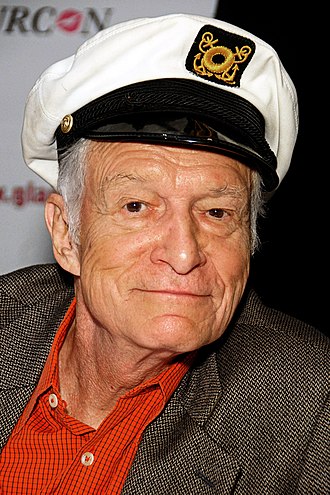


Image from Wikipedia