
 A
APeter Gabriel
Peter Gabriel is a British musician and activist who rose to fame as the original lead singer of the progressive rock band Genesis. He later forged a celebrated solo career marked by theatrical innovation and a deep engagement with world music, founding the WOMAD festival and the Real World Studios. His work extends into human rights advocacy, notably co-founding the Witness organization.
WikipediaChart Overview
Designed to initiate change through direct engagement. The body is built to act and the mind to strategize — a natural force for transformation.
As a Catalyst with an Active Body and Mind, he initiated change through direct, physical experimentation (the stage acts) and active mental conceptualization. His body-mind was oriented to act and allow, moving into environments to stir them and then receiving the creative results, as seen in his hands-on studio work and global collaborations.
About
The Man Who Built Theatres in the Air
He didn't just write songs; he constructed entire worlds on stage. With Genesis, he became a creature of pure spectacle, wearing grotesque masks and elaborate costumes, transforming rock performance into avant-garde theatre (Gate 41 — Creative Imagination). His mind was a constant workshop of images and concepts, a pressure to begin new emotional cycles through wild visual fantasy. This wasn't mere showmanship; it was the external eruption of an internal process that constantly reviewed and reorganized past impressions into new, abstract forms (Channel 64-47 — Abstraction).
The Reluctant Revolutionary
When he walked away from Genesis at the height of their fame, it was a clean, final severance that shocked the music world. He had the emotional capacity to accept or reject based on a deep sense of what served his creative path (Gate 49 — Emotional Revolution). This wasn't a rash decision but a principled stand, a stubborn fight for the freedom to follow his own imagination (Gate 38 — Purposeful Stubbornness). He accepted the limitation of leaving a successful machine to find the space where true innovation could happen (Gate 60 — Accepting Limits).
The Environmental Compass
His career decisions often seemed to come from the world around him, not from within. He would immerse himself in different global music scenes, from South African township jive to Bulgarian folk choirs, using these environments as a mirror for his own direction (Mental/Environmental Authority). He didn't force his sound; he allowed it to be shaped by the spaces and collaborators he was invited into, waiting for the recognition that opened the next door (Projector Strategy). His open Throat meant his voice found its power and unique texture only when he was in the correct setting, speaking through the right medium.
The Pattern Recognizer
His later work, like the "Up" album, was a dense tapestry of sonic memories and abstract themes. His mind had a consistent way of processing—constantly sifting through a backlog of mental images and unresolved experiences from the past, seeking the epiphany that would make them cohere (Defined Ajna and Head, Channel 64-47). He wasn't writing pop songs; he was conducting an archaeological dig through his own consciousness, making sense of confusion to extract profound meaning (Gate 47 — Making Sense of Confusion).
Energy Centers
His fixed way of thinking produced a consistently conceptual and theatrical approach to music. He was known for strong, opinionated artistic visions, whether crafting Genesis's early narratives or his solo albums' themes, extracting meaning from a constant stream of abstract ideas (Gate 47).
He operated under a reliable, internal pressure to question and conceptualize. This consistent source of inspiration fueled his relentless innovation in stagecraft and sound, driving the mental activity that conceived his flamboyant personas and ambitious projects.
He absorbed and reflected the willpower and drive of the rock star world, often pushing his stage performances to physically extreme, theatrical limits in an attempt to prove his worth through spectacle, rather than through a sustained, consistent output.
His sense of identity and creative direction shifted dramatically with his environment. He morphed from a prog-rock storyteller to a world music pioneer to a digital art curator, his 'self' beautifully reflected by whichever cultural sphere he was invited into.
He internalized the urgent, adrenalized pressure of the music industry and live performance, which fueled the intense, high-stakes energy of his early shows but could also lead to burnout, prompting his withdrawal from the Genesis treadmill.
He could temporarily match the relentless work ethic of a rock band on tour, but it wasn't sustainable. His post-Genesis career revealed a wiser rhythm of intense creative bursts followed by long periods of incubation and collaboration.
He was a masterful reader and amplifier of collective emotional atmospheres, which he channeled into anthemic, emotionally charged music like 'Biko' or 'Don't Give Up'. He could walk into a room and instantly translate its emotional weather into sound.
He absorbed the industry's anxieties about safety and success, which may have contributed to his initial clinging to the Genesis framework. His wisdom emerged in spontaneously releasing that expired structure to pursue a riskier, more authentic path.
His voice and means of expression were profoundly malleable, taking on different characters, textures, and languages depending on the project. He spoke with maximum impact when channeling a specific concept or collaborating with the right invited artists.
Incarnation Cross
His Left Angle Cross of Revolution manifested in his career as a series of transformative acts that reshaped his field. He revolutionized rock theatrics with Genesis, then revolutionized Western engagement with world music through WOMAD and his solo work, using his resource power (Gate 14) to provide a platform for marginalized voices.
Defined Channels
1 channel
| Channel | Gates |
|---|---|
| Abstraction | 64-47 |
• Channel of Abstraction (64-47) — His songwriting and production, particularly on later albums like 'Up', are known for their dense, layered soundscapes built from abstract memories and sonic impressions, a process of making sense of mental chaos.
Profile
His 6/3 Role Model/Experimenter profile played out publicly. His conscious 6th line gave him an observational, almost avian view of the music scene from his later perch, while his unconscious 3rd line drove the chaotic, trial-and-error spectacle of his youth. The integration of these phases made him a living example of artistic survival and evolution.
More Projectors


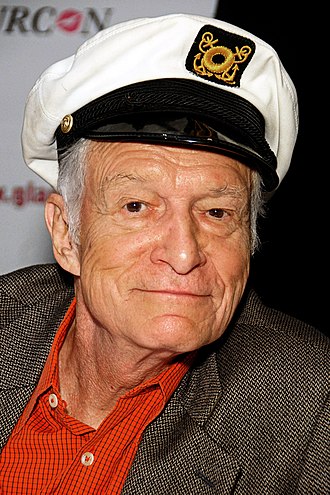


Image from Wikipedia